Building a website without a plan is like starting a journey without knowing the destination. You may move fast, but you often end up lost. Website planning is not about slowing you down. It helps you save time, money, and frustration later.
This guide walks you through everything you should think about before design or development begins. If you want a website that works, converts, and grows with your business, this is where you start.
1. Defining the Purpose of Your Website
Why your website exists
Before colors, layouts, or features, you need clarity. Your website must have a clear purpose. Are you trying to get enquiries, sell products, showcase work, or build authority? If you don’t know this, users won’t either.
When visitors land on your site, they decide in seconds whether it’s relevant. A clear purpose helps you guide them toward the right action without confusion.
One main goal, not ten
Many websites fail because they try to do too much. You might want sales, leads, downloads, and newsletter signups. That’s fine, but one goal should lead.
For example, a service website usually focuses on enquiries. An online store focuses on purchases. Everything else supports that goal, not competes with it.
How purpose shapes structure
Once the goal is clear, structure becomes easier. Pages exist for a reason. Content has direction. Calls to action make sense.
Without purpose, you end up with random pages, unclear messaging, and visitors who leave unsure what to do next.
A clear purpose gives your website direction. It shapes content, structure, and user actions. Without it, design becomes guesswork.
2. Understanding Your Audience Before Design
Who you are really building for
Your website is not for you. It’s for your users. That sounds obvious, but it’s often ignored. You must understand who your visitors are, what they need, and what problems they want solved.
EU and UK users tend to value clarity, trust, and ease of use. They don’t want flashy distractions. They want answers.
User intent matters
People visit websites with intent. Some want information. Others want to compare options. Some want to take action quickly.
If your site ignores intent, users feel frustrated. When content matches intent, everything feels effortless.
Speaking their language
This doesn’t mean jargon. It means clarity. Simple words. Clear explanations. Logical flow.
When users understand you easily, they trust you more. Trust leads to action.
Knowing your audience helps you design smarter. When content, structure, and tone match user intent, websites feel natural and intuitive.
3. Planning Website Structure and Pages
Start with a sitemap
A sitemap is a simple list of pages. It helps you see the whole website before building it. You decide what’s essential and what isn’t.
This step prevents bloated websites filled with unnecessary pages.
Logical navigation
Menus should feel obvious. Users shouldn’t think about where to click. When navigation is logical, people move through your site confidently.
Limit menu items. Group related pages. Keep things simple.
Each page needs a job
Every page should have a purpose. Inform, guide, or convert. If a page doesn’t serve a clear function, remove or merge it.
This keeps your website lean and focused.
Good structure makes websites easy to use. Planning pages early avoids clutter and confusion later.
4. Content Planning Before Design
Content comes first
Design supports content, not the other way around. You should know what content each page needs before designing layouts.
This avoids awkward spacing, forced text, and design compromises.
Clear messaging beats clever wording
Visitors don’t want to decode messages. They want clarity. Headlines should explain value immediately.
Simple messaging performs better than creative but unclear language.
Visual content planning
Images, icons, and videos should support your message. Random visuals confuse users and weaken credibility.
Plan visuals intentionally, not as decoration.
Content-first planning creates stronger websites. Clear messaging and purposeful visuals lead to better engagement.
5. Functionality and Features Planning
Only add what you need
Every feature adds complexity. Forms, filters, animations, integrations — they should exist for a reason.
Unnecessary features slow websites and confuse users.
Think about user flow
Features should support user actions, not interrupt them. Forms should be simple. Buttons should be clear. Processes should feel effortless.
If something creates friction, rethink it.
Future-proofing
Plan for growth. You may add services, products, or languages later. A flexible foundation saves future redesign costs.
Smart feature planning keeps websites fast and usable. Less functionality often leads to better performance.
6. Mobile-First Thinking
Most users start on mobile
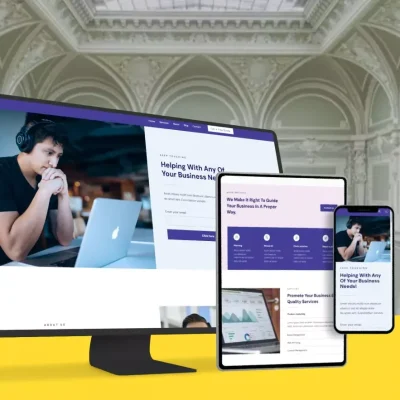
For many EU and UK websites, mobile traffic dominates. If your site doesn’t work well on small screens, you lose users instantly.
Mobile-first planning ensures usability everywhere.
Designing for touch
Buttons need space. Text must be readable. Navigation must be simple.
Mobile users decide fast. Make actions obvious.
Performance matters
Mobile users expect speed. Heavy images and unnecessary scripts hurt experience.
Planning performance early avoids problems later.
Mobile-first planning is no longer optional. It’s essential for usability, engagement, and SEO.
7. SEO Considerations During Planning
Structure affects visibility
Search engines prefer logical structure. Clear pages, proper hierarchy, and focused content improve indexing.
Planning with SEO in mind saves time later.
Search intent alignment
Content should answer real questions users search for. Planning topics around intent improves rankings naturally.
SEO works best when integrated early, not added later.
Technical foundations
Clean URLs, fast loading, and responsive design start at planning stage.
Good SEO begins before development.
SEO-friendly planning improves visibility and performance. Early decisions have long-term impact.
Last but Not Least
A successful website starts long before design or development. Planning gives you clarity, direction, and confidence.
When purpose, audience, structure, content, and functionality align, your website feels effortless to use. Users trust it. Search engines understand it. Results follow naturally.
If you plan properly, your website won’t just look good. It will work.